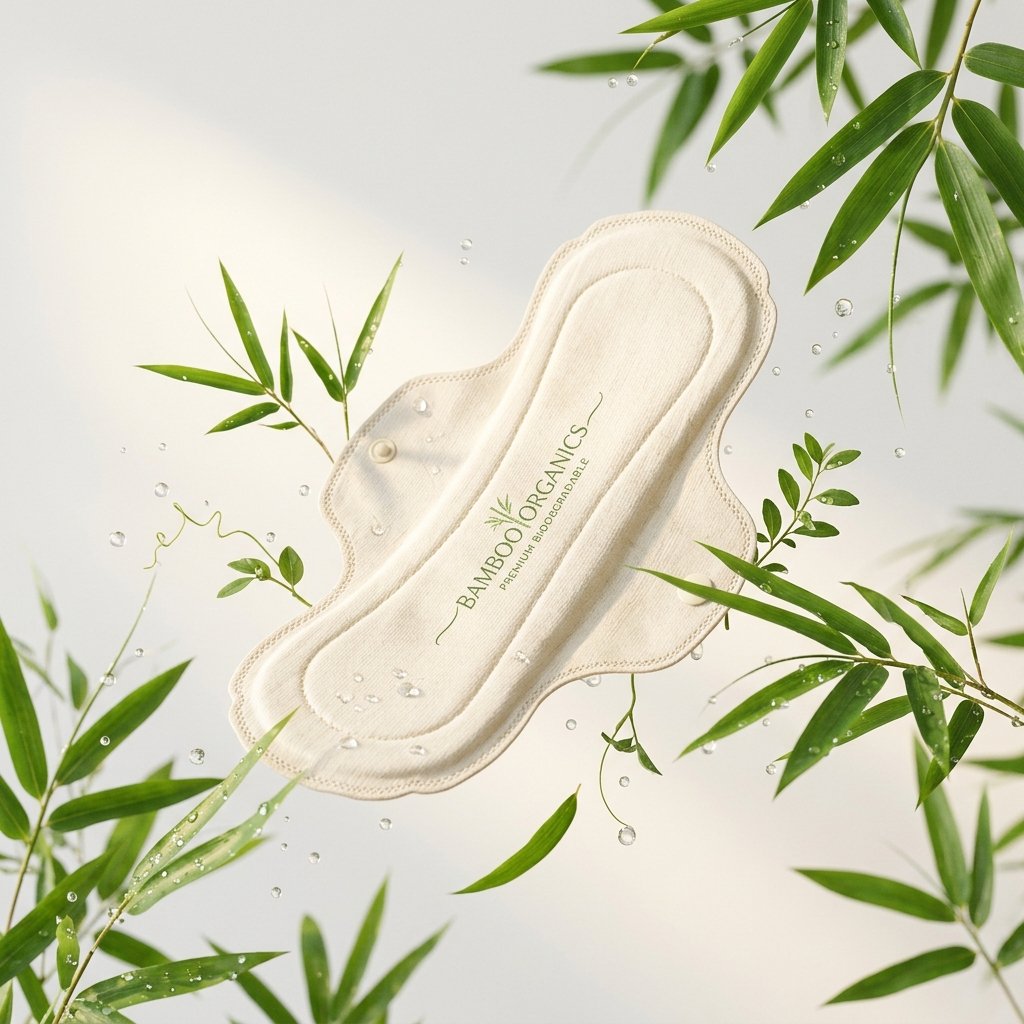
How Switching to Biodegradable Pads Reduces Your Carbon Footprint

Walk through the lifecycle analysis: raw materials, manufacturing, use, disposal. Practical tips for readers.

How Switching to Biodegradable Pads Reduces Your Carbon Footprint

Bamboo requires 30% less water than cotton and no synthetic fertilizers. By switching to biodegradable pads or reusable alternatives (like period panties and cloth pads), you eliminate plastic production demand and municipal waste load, significantly reducing your personal carbon footprint.

Back to Blog

Your Wellness Basket

Your cart is empty — but your cycle isn't waiting. Find the right Mi Bliss for you.

Interactive Flow & Size Guide

Find the perfect organic pads for your cycle biome

Q1: How would you describe your standard cycle flow?

This ensures we suggest a pad with the proper layer density and fluid absorbency.

💧
Moderate / Regular Flow: Fits standard days where comfort is primary.
💧💧
Heavy Flow: Requires multi-layered rapid dry security.
🌙
Very Heavy / Overnight Peace: Needs XL length and leak barriers.

Q2: What is your primary intimate health concern?

Helps us prioritize skin-friendliness, absorption, or environment.

🩹
Frictional Rashes & Itchiness: Rashes caused by plastic synthetic covers.
🛡️
Severe Side Leaks & Bunching: Needs absolute absorption structural locking.
🌍
Petrochemical Plastic Waste: Seeking 100% biodegradable soil compostability.

Q3: What is your menstrual care product preference?

Choose the mode of care that matches your modern lifestyle.

🍃
Compostable Disposables: Convenient, single-use, 100% biodegradable.
🔄
Washable Reusable Pads: Silky organic fabric pads you wash and reuse.
🌟
Hybrid Setup: Disposables for heavy days, reusables for light days.

✓ We Formulated Your Custom Match!

Bamboo Comfort Pack

Loading matching formula...

Formulated under the clinical direction of Dr. Vishva Jeotsna.